Water treatmentTechnical animation
Water treatment, explained from the inside
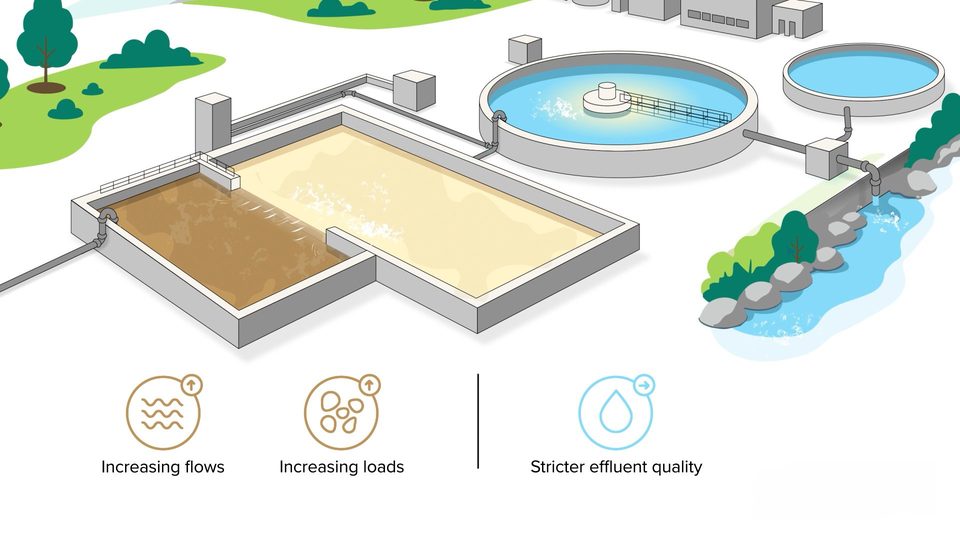
How an industrial water-treatment system works, made visible for engineers, investors and other interested parties.
Read the case studyShow how products, processes and systems really work, in 2D or 3D.
Teams usually bring in technical animation when:
All work
Water treatmentTechnical animation
How an industrial water-treatment system works, made visible for engineers, investors and other interested parties.
Read the case studyAdama InnovationsTechnical animation
How a patented manufacturing process produces diamond-coated microscope probes that are both sharp and wear-resistant.
[Sector, e.g. Medical devices]Technical animation
[One line: what the animation explains and who it was for, e.g. how a [sector] process works, for [audience].]
Studio pieceTechnical animation
[One line: the mechanism or process it explains.] A self-initiated piece showing how the studio approaches a mechanism.
What we do
2D or 3D, whichever approach serves the mechanism, not a default style.
Showing what's inside a product or assembly and how the parts relate, in 2D or 3D technical diagrams.
Production lines, workflows and safety-critical processes made legible for staff and stakeholders before they go live.
How a treatment, device or process actually works, for clinical, technical or investor audiences.
Treatment processes, energy systems and infrastructure explained end to end.
Process
It's built into the structure from the beginning, through four stages. We call it the Clarity Chain. The first two are agreed with you before production starts.
We pin down what isn't being understood, by whom, and what makes the subject hard to explain.
We agree what your audience needs to understand, then settle the structure, format and visual approach.
Animation, filming, design and production, built around the agreed plan with clear review stages.
The finished work is reviewed, approved and supplied in the formats agreed for your project.
What you get
Nothing goes into production until your technical team has approved the script and storyboard, so there are no surprises at final delivery.
Included
Cost
Most technical animations fall between €3,500 for short 2D pieces and €13,500 for a 60-second 3D animation, depending on length, technical complexity and revision rounds. Longer or more complex 3D is quoted individually. Send your brief and you'll get a fixed quote before any work starts.
Several connected animations? A Motion Programme starts from €12,000.
FAQ
Yes. CAD files, engineering drawings or existing product photography all help us build an accurate model faster.
2D is quicker and suits diagrams, flows and processes. 3D suits physical products and assemblies where form and depth matter. We'll recommend whichever explains the mechanism best, and the quote reflects it.
Your engineers or technical team review the script and storyboard before animation starts, and the animation at each revision round. Nothing is signed off on our judgement alone.
Yes. Stills for decks and technical documentation can be included, and the models are kept with the project archive. If you're likely to need more videos, they can be kept longer by agreement, so later videos build on them instead of starting again.
Once script and storyboard are signed off, 2D animation typically takes around 6 working days per finished minute. 3D takes longer, since the models need to be built before animation begins. That covers production time only, not pre-production or revision rounds.